Carl Morgenstern
Blick auf Tivoli und die Wasserfälle (View of Tivoli and the Waterfalls), 1837

With its waterfalls and ancient Roman ruins, the town of Tivoli in the Tiburtine Hills to the east of Rome attracted whole generations of artists, and can be regarded as the very picture of a quintessentially German yearning for Italy. Thanks to its pleasant climate and the unique beauty of its natural setting, Tivoli and its environs had been an extremely popular summer retreat even in Roman times. Emperor Hadrian had a country manor there, the Villa Adriana built in 125 A.D., the remains of which can still be marvelled at today.1 Another particularly striking landmark is Tivoli’s Temple of Vesta, a rotunda built in the 1st century B.C., which owing to its exposed location perched above the precipitous waterfalls of the River Anio was a favourite subject for countless painters over the centuries.2 Little wonder that in the summer of 1835, Carl Morgenstern chose it as one of the first motifs he wished to tackle, initially in the medium of drawing (fig. 1). He completed his first oil painting of the same subject in the winter of that same year (fig. 2) and sent it, along with three other works, to his parents in Frankfurt, the following spring.3 He was not uncritical of that first work, however, for as he told his parents:
“The Tivoli was the first, it has more German hues (...) but is too blue-grey, and olives all over the place; though I did make the fore(grounds) quite bold. (...) This is how I would prefer to paint in future, with trees and a low horizon, and now I think I’m getting the hang of it, now I’m looking at nature far more rationally.”4
Morgenstern returned to Tivoli in 1837, his last year in Italy, and it was then that the painting under discussion here came about. By comparing it with the work described above, we can see how the artist developed and found his way to a freer and more self-assured version of that naturalistic apprehension of landscape that he acquired while in Italy and that in his early works had been held in such high esteem. Here, by contrast, the drama of the crashing waterfalls is consigned to the far distance, the artist having chosen the bank of the serenely meandering Anio as his vantage point. He also dispenses with all compositional vegetation and anecdotal staffage, allowing him to concentrate wholly on the naturalistic reproduction of his chosen view. Rendered in fine nuances of silver and grey that are seldom seen in Morgenstern’s works and that from Christian Ring elicited a comparison with Camille Corot,5 Tivoli itself atop the Tiburtine Hills is shrouded in early-morning haze and thus embedded harmoniously in the landscape. That the painter was attempting to capture an overall impression of the geographical givens of the location is borne out by Wasserfälle bei Tivoli (Waterfalls at Tivoli) (fig. 3) a painting now in the Alte Nationalgalerie dating from 14th July of the same year, which likewise homes in on the Anio Gorge, albeit from a higher vantage point.6 The dedication to the artist’s son Ernst7 on the verso of the former work confirms that Morgenstern himself must have thought highly of it. It remained in family hands until the early 1960s and is being offered for sale here for the first time.
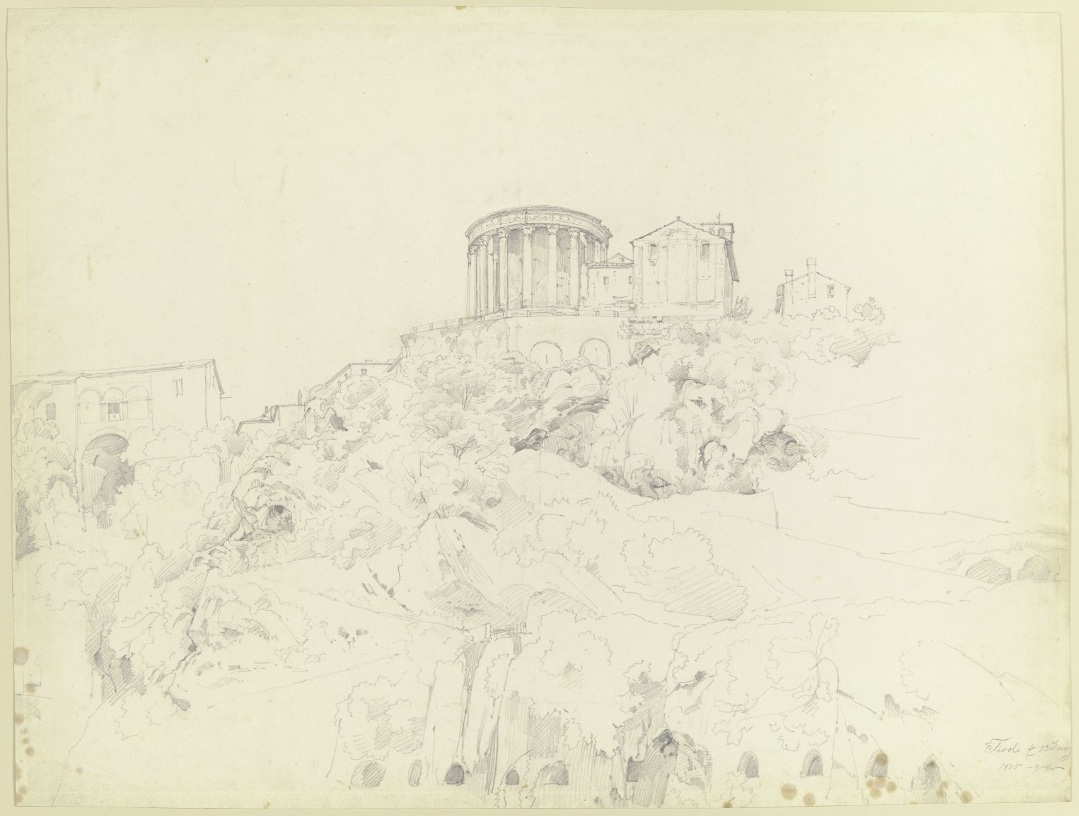 Fig. 1 Carl Morgenstern, Der Tempel der Vesta und S. Giorgio in Tivoli (The Temple of Vesta and S. Giorgio in Tivoli, pencil on paper, 410 × 542 mm, Städel Museum Frankfurt am Main, Inv. SG 409
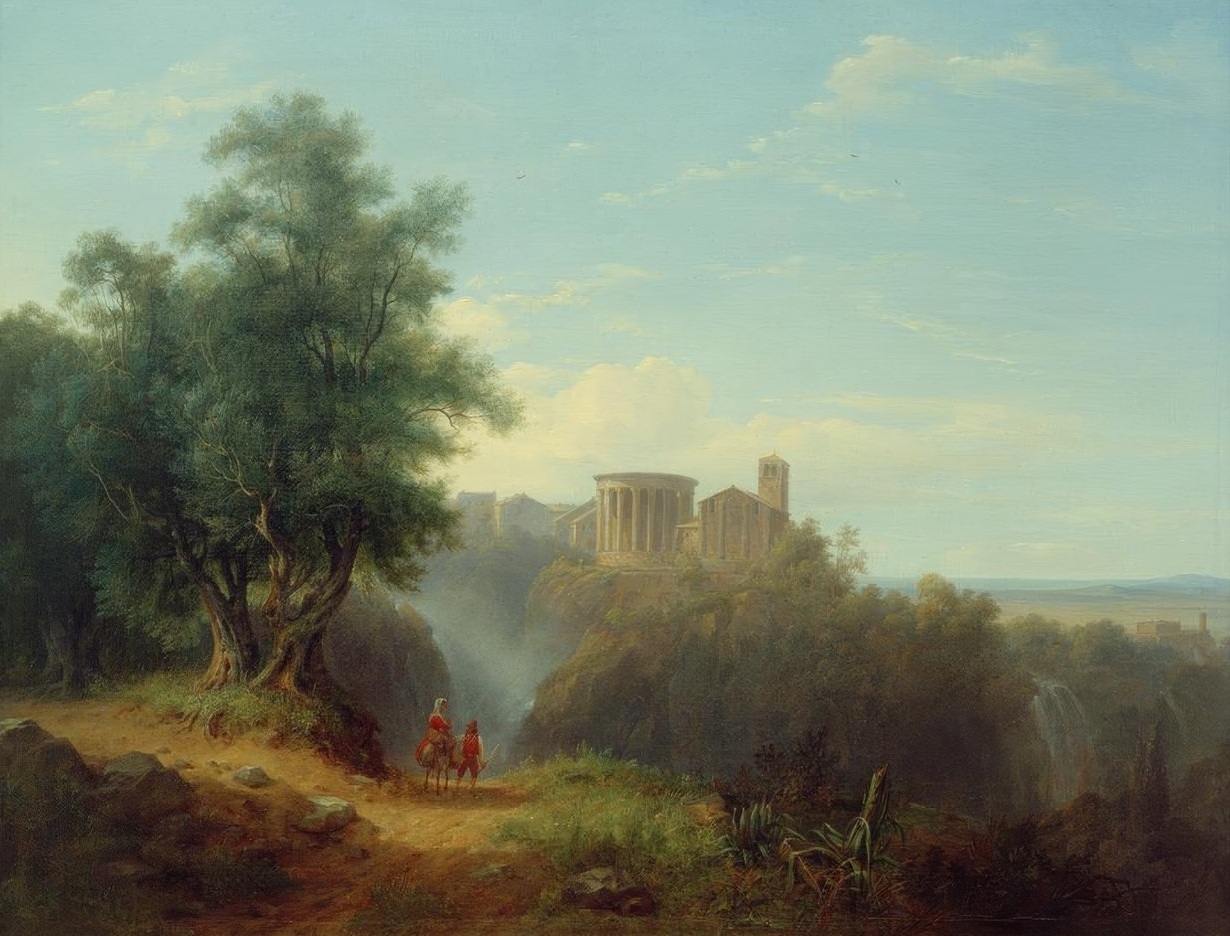 Fig. 2 Carl Morgenstern, Ansicht von Tivoli (View of Tivoli), 1836, oil on canvas, 56 × 74 cm Privately owned
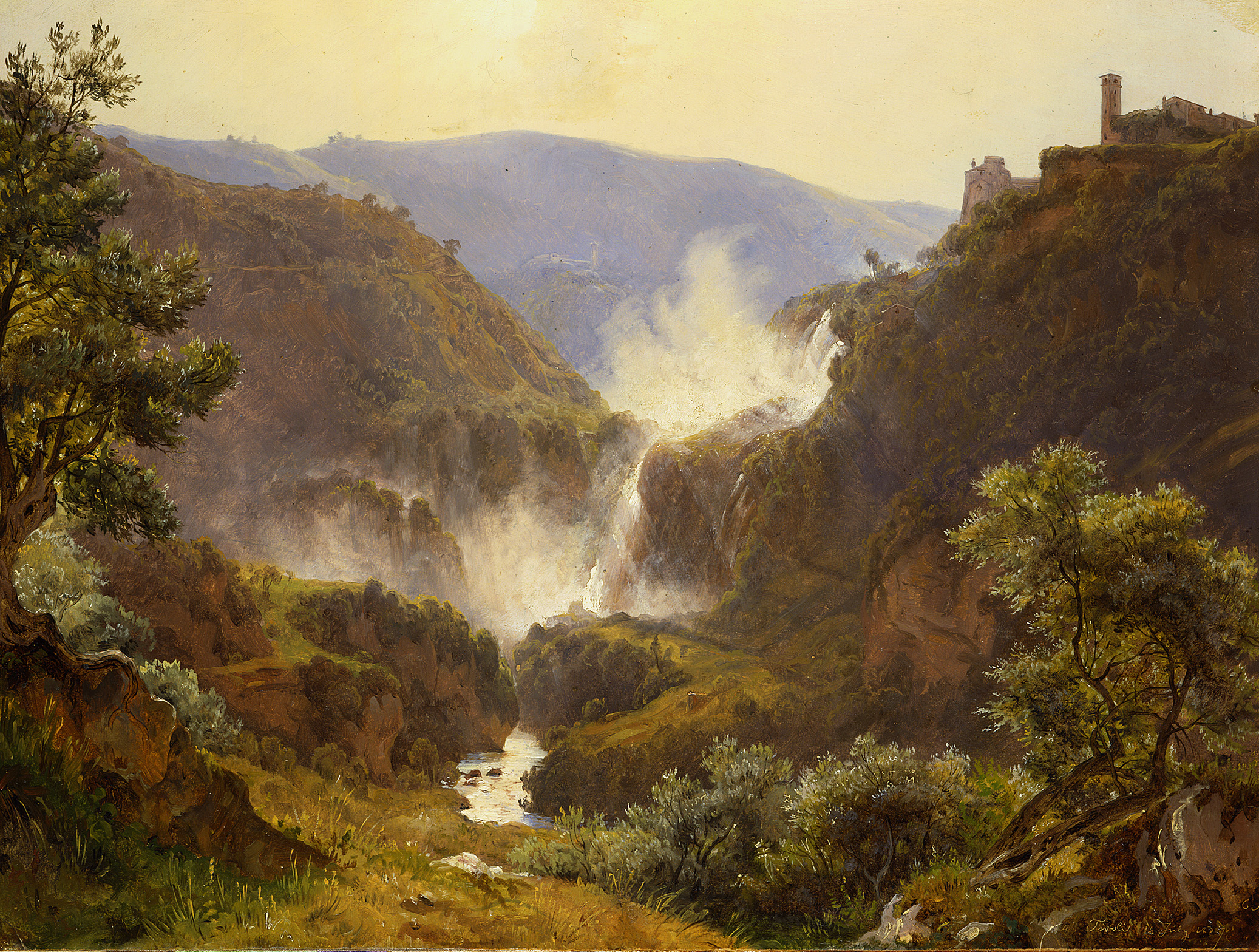 Fig. 3 Carl Morgenstern, Wasserfälle bei Tivoli (Waterfalls at Tivoli), 1837, oil on canvas, 44.5 × 58 cm, Alte Nationalgalerie, Staatliche Museen zu Berlin, Inv. A II 198, Nationalgalerie/Andres Kilger
Footnotes
-
Imperator Caesar Traianus Hadrianus Augustus (76–138 A.D.). ↩
-
Kennst du das Land. Italienbilder der Goethezeit, exh. cat. Neue Pinakothek München 2005, Munich 2005, p. 133. ↩
-
Carl Morgenstern und die Landschaftsmalerei seiner Zeit, exh. cat. Museum Giersch 2011, Petersberg 2011, p. 104. ↩
-
Letter from Carl Morgenstern to his parents dated 25.5.1836. ↩
-
Jean-Baptiste Camille Corot (1796–1875). ↩
-
Carl Morgenstern und die Landschaftsmalerei seiner Zeit, exh. cat. Museum Giersch 2011, Petersberg 2011, p. 101. ↩
-
Friedrich Ernst Morgenstern (1854–1919). ↩